
18 Months to Go: Preparing for the Extension of Awaab's Law Before November 2026
By Tricity Labs, Technical Team — Independent retrofit measurement & verification, working to BS 40101 principles
Awaab's Law is extending again: from November 2026, continuous environmental monitoring becomes mandatory for high-risk properties, and the Regulator of Social Housing gains stronger enforcement powers. Providers who are only just meeting Phase 2's 24-hour, 7-day and 14-day timeframes need to start building the evidence and monitoring infrastructure now, not in late 2026. The organisations that treat this as a technology and process project today will find compliance far cheaper than those who treat it as a paperwork exercise later.
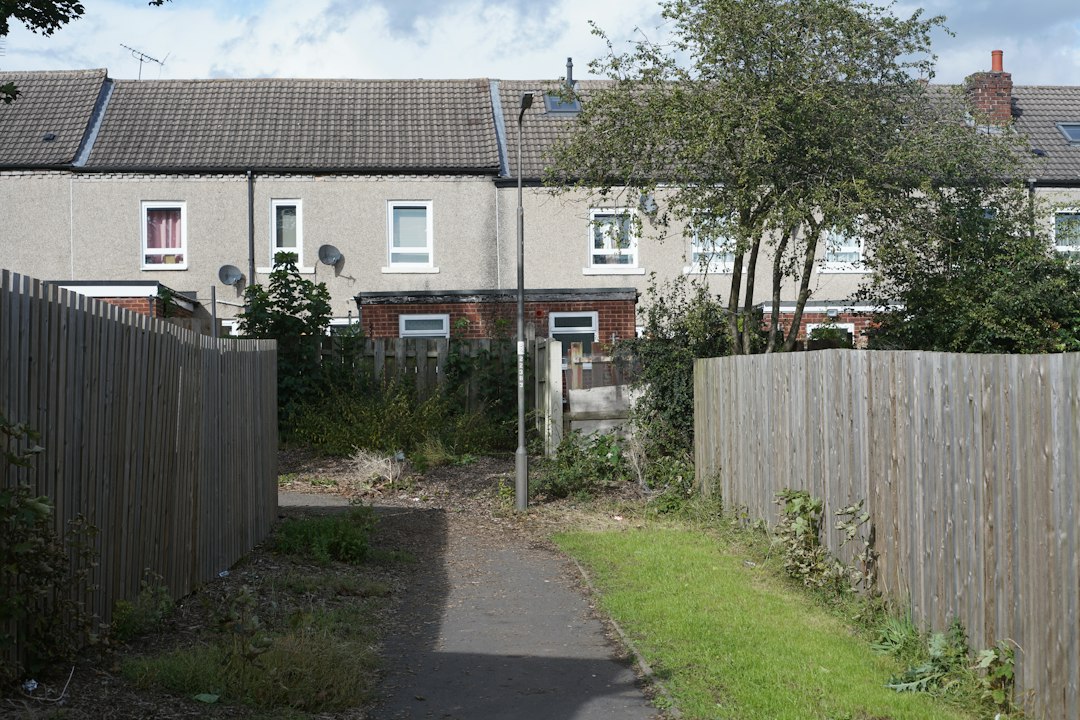 Photo by James Read via Unsplash (source)
Three things to know:
- Phase 3 (November 2026) makes continuous environmental monitoring mandatory for high-risk properties and brings stricter inspection requirements plus enhanced RSH enforcement powers.
- Preparing for the Extension of Awaab's Law is less about new policy documents and more about proving, with timestamped data, that inspection and remediation timeframes are actually being met.
- Properties already using continuous monitoring may qualify for extended inspection intervals under Phase 3 — recognised by the RSH as best practice ahead of it becoming mandatory.
Key Takeaways
| Point | Detail |
|---|---|
| Phase 3 is not a soft target | From November 2026, continuous monitoring is mandatory for high-risk stock, not optional best practice — providers relying solely on periodic inspection will fall short. |
| Evidence quality decides outcomes | RSH enforcement, compensation orders and rating downgrades increasingly hinge on whether a provider can produce a timestamped, independent evidence trail, not just a policy document. |
| Preventative measures cost less than remediation | Catching humidity and temperature conditions before mould is visible avoids the cost, disruption and hazard-category escalation of reactive damp and mould remediation. |
| Real time reporting closes the 7-day gap | The Phase 2 inspection window is only seven days from complaint — real time reporting on environmental conditions is often the only way to spot a problem before a resident even calls. |
| Readiness is measurable now | A structured gap analysis against Phase 2 requirements today is the clearest indicator of how much work is needed before Phase 3 enforcement begins. |
Table of Contents
- What Actually Changes When Phase 3 Lands in November 2026
- Where Most Providers Are Still Exposed
- Building a Preparing for the Extension of Awaab's Law Checklist That Holds Up Under Scrutiny
- Preventative Measures Beat Reactive Damp and Mould Remediation Every Time
- Real Time Reporting: Turning Sensor Data into Regulator-Ready Evidence
- How to Evaluate Your Organisation's Readiness Before the Deadline
- Best Practices for Contractors and Frontline Teams
- Where Tricity Labs Fits Into Your Preparation
- Sources
What Actually Changes When Phase 3 Lands in November 2026
Phase 1 of Awaab's Law, which required written damp and mould policies and mandatory reporting to the Regulator of Social Housing, has been in effect since April 2024. Phase 2, active since January 2025, introduced legally binding timeframes: acknowledging a complaint within 24 hours, inspecting within 7 days, starting remediation on Category 1 hazards within 14 days, and completing works within 30 or 90 days depending on severity.
Phase 3 is a different order of change. It introduces mandatory continuous environmental monitoring for high-risk properties, stricter inspection requirements across the wider stock, and enhanced enforcement powers for the RSH, including stricter fines and mandatory remediation orders for providers who fall short.
For housing associations still running Phase 2 compliance on spreadsheets and manual inspection rounds, Phase 3 effectively asks a harder question: can you prove, continuously and independently, that conditions in your highest-risk homes are being tracked in real time? That's a different capability to periodic inspection, and it takes longer to build than most organisations assume.
Don't wait for a Phase 3 mandate notice to start monitoring high-risk properties. Providers already running continuous monitoring today are effectively rehearsing the compliance evidence they'll need in November 2026, while also reducing Phase 2 breach risk right now.
Awaabs Law Monitoring Solutions
Book DemoWhere Most Providers Are Still Exposed
The gap between having a damp and mould policy and being able to demonstrate compliance is where most organisations get caught out. A written policy satisfies Phase 1. It does nothing to prove that a specific complaint was acknowledged within 24 hours, or that a Category 1 hazard was actually resolved inside 30 days, unless the underlying records are timestamped and centralised.
Common exposure points include: no digital case management system linking complaints, inspections and remediation into a single auditable record; no root cause analysis process distinguishing building defects from ventilation or lifestyle factors; and no pre-vetted contractor framework, which slows down the 14-day remediation start window precisely when speed matters most.
Another recurring gap is resident communication. If tenants don't know how to report damp and mould, or don't get an acknowledgment within 24 hours, the clock on statutory timeframes can start ticking before anyone in the organisation is even aware of the issue. That's a compliance failure that happens before an inspector ever visits.
Run a mock RSH audit on five recent damp and mould cases. If you can't reconstruct the full timeline — complaint, acknowledgment, inspection, hazard category, remediation start and completion — with dates and evidence for each step, that's your real gap analysis starting point.
Building a Preparing for the Extension of Awaab's Law Checklist That Holds Up Under Scrutiny
A useful Preparing for the Extension of Awaab's Law checklist covers four areas: policy and procedures, inspection and monitoring, remediation and response, and record keeping and evidence. Policy and procedures means a documented damp and mould policy aligned to RSH Consumer Standards, a named senior officer accountable at board level, and a resident communication strategy that guarantees acknowledgment within 24 hours.
Inspection and monitoring means a risk-based schedule — at minimum annual for all stock, quarterly for high-risk properties — supported by staff trained to at least Level 2 in damp and mould identification, or access to specialist surveyors. Environmental monitoring sensors in high-risk homes are already recognised as best practice and become mandatory under Phase 3.
Remediation and response covers a 24/7 emergency contact line, same-day response capability for Category 1 hazards, an approved contractor framework, and a systematic root cause analysis process. Record keeping and evidence ties it together with a digital case management system, a timestamped evidence trail, and automated quarterly reporting to the RSH. Housing associations working through this systematically will find it useful to map their current capability against each of these four pillars individually rather than treating compliance as a single yes/no question — our overview for housing associations covers how this typically breaks down in practice.
Preventative Measures Beat Reactive Damp and Mould Remediation Every Time
Every statutory timeframe in Awaab's Law is triggered by something going wrong first — a complaint, a hazard, a visible sign of mould. Preventative measures aim to intervene before that trigger point, using humidity and temperature data to flag conditions conducive to mould growth well before it becomes visible or reportable.
This matters financially as well as ethically. Reactive damp and mould remediation on a Category 1 hazard, done under a 14-day statutory clock, is almost always more expensive and more disruptive than addressing a ventilation or humidity issue identified early through monitoring. It also carries more compliance risk, since a missed timeframe on a live case is a documented breach in a way that a proactively resolved issue never becomes.
Predictive risk scoring — using historical and live sensor data to flag which properties are statistically more likely to develop damp — lets asset teams target inspections and preventative works before problems escalate, rather than spreading inspection resource evenly across stock regardless of actual risk.
Rank your high-risk property list by a combination of build type, ventilation history and past complaint frequency, not just age. Properties with no prior complaints can still be high risk if they have known ventilation defects — waiting for a complaint to flag them defeats the purpose of preventative measures.
Real Time Reporting: Turning Sensor Data into Regulator-Ready Evidence
Real time reporting is the difference between having data and having usable compliance evidence. A humidity sensor that logs readings is only useful if those readings are converted into alerts when conditions cross a safe threshold, and into a report format the RSH will actually accept during a quarterly submission or an audit.
The practical value of real time reporting shows up most clearly at the 7-day inspection deadline. If a property's conditions are being monitored continuously, a deterioration can trigger an alert and an inspection before a resident ever needs to lodge a formal complaint — which means the statutory clock may never start in a way that creates breach risk in the first place.
Independent, timestamped data also matters if a case ends up in front of the RSH or in court. A provider's own written account of when an issue was noticed and resolved carries less weight than an automated, third-party-verifiable log showing exactly when thresholds were breached and when remediation began.
Make sure any reporting system you use timestamps data independently of manual entry. Self-reported timelines are exactly what regulators and courts scrutinise most closely when a compensation claim or enforcement case is being considered.
How to Evaluate Your Organisation's Readiness Before the Deadline
Evaluating how to evaluate Preparing for the Extension of Awaab's Law readiness starts with an honest gap analysis against the current Phase 2 checklist, not the Phase 3 requirements that haven't taken effect yet. If you're already struggling to hit the 24-hour acknowledgment or 7-day inspection windows consistently, that's the priority to fix before adding continuous monitoring on top.
From there, readiness assessment should look at three things: coverage (do you know which properties are genuinely high-risk, and are they monitored or scheduled for monitoring), evidence (can you reconstruct a full case timeline with timestamps for any property, on demand), and escalation (does your team know what happens the moment a Category 1 hazard is identified, without needing to check a policy document first).
Resident-facing readiness matters just as much as internal process. Tenants need a clear, simple way to report damp and mould and confidence that reports get acknowledged quickly — our guidance for tenants sets out what that reporting experience should look like from their side, which is a useful check on whether your internal process actually works end to end.
Best Practices for Contractors and Frontline Teams
Awaab's Law compliance doesn't rest solely with asset or compliance teams — it depends heavily on contractors being able to move fast within the statutory windows. Preparing for the Extension of Awaab's Law best practices for contractor management include a pre-vetted framework covering damp proofing, mould remediation and ventilation installation, so remediation can start inside the 14-day window without a fresh procurement exercise every time.
Root cause analysis should be a shared discipline between inspectors and contractors, distinguishing structural defects from ventilation shortfalls or occupant behaviour, since the correct fix — and the correct evidence to record — differs in each case. Frontline staff, including those doing routine repairs unrelated to damp, should be trained to recognise early warning signs and know how to log a concern into the central case management system immediately.
Contractors that work across multiple housing providers benefit from a consistent way of recording completion evidence, since inconsistent photo or paperwork standards from one job to the next make it harder to build the timestamped evidence trail Phase 2 and Phase 3 both depend on. Our overview for contractors sets out what that evidence standard looks like in practice.
Where Tricity Labs Fits Into Your Preparation
None of the above requires guesswork about what technology to buy — it requires matching capability to the specific gaps a Phase 2 audit reveals. Verity provides the continuous environmental monitoring and automated alerts that Phase 3 will require for high-risk properties, while Detect adds predictive risk scoring to target inspections before conditions escalate into hazards.
Evidence and Verify exist for the record-keeping side of the checklist: timestamped, independently verifiable logs of inspections, remediation and completion that hold up whether they're being reviewed by an RSH auditor or examined in a compensation claim. Benchmark and the Stock Performance Index let asset teams see, across a whole portfolio, which properties and blocks are trending toward risk, rather than relying on complaint volume as the only signal.
How these pieces fit together depends on stock profile, current systems and how much of the Phase 2 checklist is already in place. Our platform page walks through how monitoring, evidence and reporting connect in practice, and our retrofit evidence work shows how the same data can support wider building performance decisions, not just compliance.
If you want an independent read on where your organisation stands against Phase 2 today, and what's realistically needed before November 2026, our team can walk through a gap analysis with you — more on who we are and how we work is on the about page.
 Photo by ThisisEngineering via Unsplash (source)
Related reading: housing associations, tenants, contractors, retrofit evidence, platform, about
Sources
About Tricity Labs
The team behind Tricity Labs' Verity platform, delivering independent pre- and post-retrofit measurement and verification from existing smart meter data for housing associations and retrofit contractors.