Well Managed Homes: What They Are and How to Recognise Them
A well managed home is more than a sound roof and four walls -- it's a home that is safe, properly maintained, financially stable to run, and shaped by the people who live in it. For local people in rural communities, this usually means clear repairs standards, active efforts to monitor for damp and mould, and a landlord that genuinely listens to residents. This guide breaks down what good housing management looks like in practice and gives you a checklist for judging it yourself.
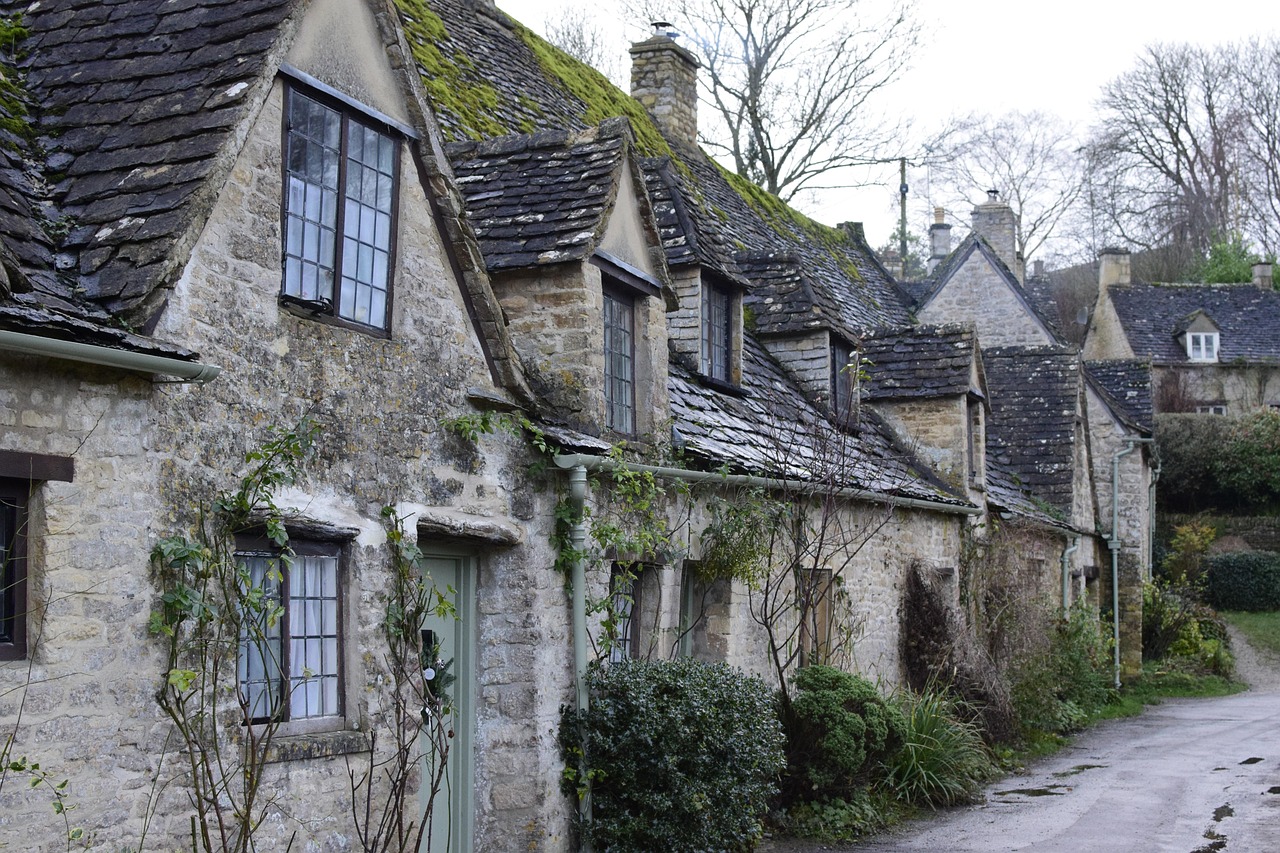 Photo by HarryJBurgess via Pixabay (source)
Three things to know:
- Well managed homes are judged on a bundle of factors -- repairs response, damp and mould control, finances, governance and resident satisfaction -- not on any single measure.
- A practical Well managed homes checklist can help residents, applicants and partner organisations assess a landlord before and after moving in.
- Rural housing has particular pressures -- distance, fewer local contractors, smaller stock numbers -- that make structured management practices even more important than in urban settings.
Key Takeaways
| Point | Detail |
|---|---|
| "Well managed" is a bundle of standards, not one score | Governance, finances, repairs performance and resident satisfaction all feed into whether a home is genuinely well managed, so no single metric tells the whole story. |
| Damp and mould monitoring is a frontline test | How quickly and proactively a landlord acts to monitor for damp and mould is one of the clearest, most visible signs of day-to-day management quality. |
| Resident influence is part of the definition, not an add-on | Homes managed well tend to have structured ways for residents to feed into decisions, complaints handling and service reviews, rather than one-way communication. |
| Rural areas face distinct management challenges | Smaller stock numbers, longer travel times for contractors and fewer local suppliers mean rural landlords need stronger planning and local relationships to hit the same standards. |
| You can evaluate management quality before you commit | Published repair standards, complaints data, resident feedback and governance documents are all things you can check before relying on a landlord. |
Table of Contents
- What "Well Managed Homes" Actually Means
- Why It Matters More for Local People in Rural Communities
- Well Managed Homes Checklist: Core Standards to Look For
- How to Evaluate Well Managed Homes as a Resident or Applicant
- Well Managed Homes Best Practices: Repairs, Damp and Mould
- The Governance and Resident Influence Behind Good Management
- How English Rural Approaches Well Managed Homes
- Sources
What "Well Managed Homes" Actually Means
The phrase gets used loosely, so it's worth being precise. A well managed home is one where the building itself is safe and properly maintained, where repairs are dealt with within clear timescales, and where the organisation running it is financially sound enough to keep doing so for years, not just months.
It also includes something less tangible: whether residents are treated as partners rather than passive tenants. Good management shows up in small, repeated things -- a repair reported and fixed without chasing, a query answered without delay, a rent statement that's easy to understand.
At English Rural, this thinking is built into our founding vision: "For rural communities to thrive, we believe local people deserve to live in high-quality, well-managed homes that are comfortable, safe and affordable." That's a useful working definition -- comfort, safety and affordability, delivered consistently, for local people in rural communities specifically, not as an afterthought to urban housing models.
(Originally explored in: Our Values & Mission, https://englishrural.org.uk/about-us/our-values/)
Why It Matters More for Local People in Rural Communities
Housing management challenges look different outside towns and cities. A repairs contractor covering a wide rural patch may take longer to reach a village than a city street, and there are often fewer alternative providers if a landlord's service slips. That makes the underlying management systems -- scheduling, monitoring, communication -- more important, not less.
Rural communities also tend to have tighter, more visible social networks. A poorly managed home doesn't just affect one household; word travels, and it can affect trust in the whole local housing offer, including new development proposals. Good management protects both individual residents and the broader case for building more affordable rural homes.
Affordability is part of the picture too. Rural wages are often lower relative to local house prices than in urban areas, so the total cost of running a home -- rent, service charges, energy use, repair reliability -- matters as much as the headline rent figure.
When comparing housing options in a rural area, ask specifically how repairs are scheduled for properties outside the main town -- response times can vary significantly by distance from a depot or contractor base.
Well Managed Homes Checklist: Core Standards to Look For
If you're trying to judge whether a home or landlord is well managed, a short, structured checklist is more useful than a general impression. Start with the basics: are repairs standards published and specific, with named timescales for emergency, urgent and routine work, rather than vague promises?
Next, look at how the landlord handles damp and mould. Ask whether they carry out regular inspections to monitor for damp and mould, rather than only responding after a resident reports a problem -- proactive monitoring is a strong signal of a mature repairs service.
Then check the softer indicators: is there a resident group, panel or survey that feeds into decisions? Is complaints-handling transparent, with published outcomes or trends? Finally, look at financial stability -- an organisation's published accounts or governance statements can show whether it has the resources to maintain homes long-term, not just this year.
Taken together, these four areas -- repairs, damp and mould, resident voice, and finances -- form a practical Well managed homes checklist that applies whether you're a prospective resident, a partner agency or a local authority assessing a housing provider.
How to Evaluate Well Managed Homes as a Resident or Applicant
Evaluating a landlord before you move in, or reviewing your current one, doesn't require specialist knowledge -- it requires asking the right questions and checking the right documents. Start by requesting the organisation's repairs and maintenance policy; a well managed provider will have this published and easy to find, not something you have to chase.
Ask about response times for different repair categories, and ask what happens if a repair is missed -- is there an escalation process, or does it rely on residents repeatedly following up? You can also ask for recent performance figures, such as the percentage of repairs completed on time or resident satisfaction scores from independent surveys.
For damp and mould specifically, ask whether the landlord carries out routine stock condition surveys or relies mainly on resident reports. A provider that actively schedules checks, rather than waiting to be told, is generally further along in its management maturity.
Finally, look at how decisions get made. Is there a resident panel, scrutiny group or regular consultation process? Genuine resident influence over policies -- not just a suggestion box -- is one of the more reliable markers of good management in practice.
Request the landlord's most recent tenant satisfaction measures (TSMs) if they're a registered provider in England -- these are collected in a standardised way, which makes it easier to compare one landlord against another.
Well Managed Homes Best Practices: Repairs, Damp and Mould
Best practice in this area has shifted noticeably in recent years, partly in response to high-profile cases where damp and mould were left unaddressed for too long. The current expectation is that landlords should not wait for a resident complaint before acting -- they should build routine checks into their maintenance calendar.
The Governance and Resident Influence Behind Good Management
Repairs and maintenance are the most visible signs of management quality, but the less visible layer -- governance -- is what makes those services sustainable over time. Good governance means clear decision-making structures, financial oversight, and risk management that's regularly stress-tested against the organisation's business plan, rather than assumed to be fine.
Sound finances matter because housing management is a long-term commitment. An organisation that can't demonstrate value for money or access to capital finance for future investment may struggle to maintain homes properly a decade from now, even if today's service looks adequate.
Resident influence sits alongside governance rather than separate from it. Structured opportunities for residents to shape policy -- scrutiny panels, shareholder membership schemes, regular surveys with published results -- are one of the clearest signs that an organisation sees residents as partners in decision-making, not just recipients of a service.
This combination of financial resilience, risk management and resident voice is, in practice, what separates organisations that talk about being well managed from those that can demonstrate it with evidence.
How English Rural Approaches Well Managed Homes
English Rural's approach to management is built around the same standards set out in this guide: published repairs standards, active monitoring for damp and mould, clear rent and service charge information, and structured routes for resident influence over decisions. These aren't abstract commitments -- they're reflected in day-to-day services covering rent and repairs, from reporting an issue through to understanding what residents and the organisation are each responsible for.
We also recognise that housing management can be harder financially than the headline rent suggests, which is why we run a Resident Support Fund alongside standard rent and service charge arrangements, to help residents facing short-term difficulty rather than letting small problems become larger ones.
If you want to see how this works for a specific property, our homes pages set out current availability and local context, and our case studies show some of this in practice across different rural communities. For a wider view of the standards and thinking behind our services, our published research digs into the evidence base for rural housing management more broadly.
If you have a specific question about a home, a repair, or how our resident influence structures work, the most direct route is to get in touch with the team directly.
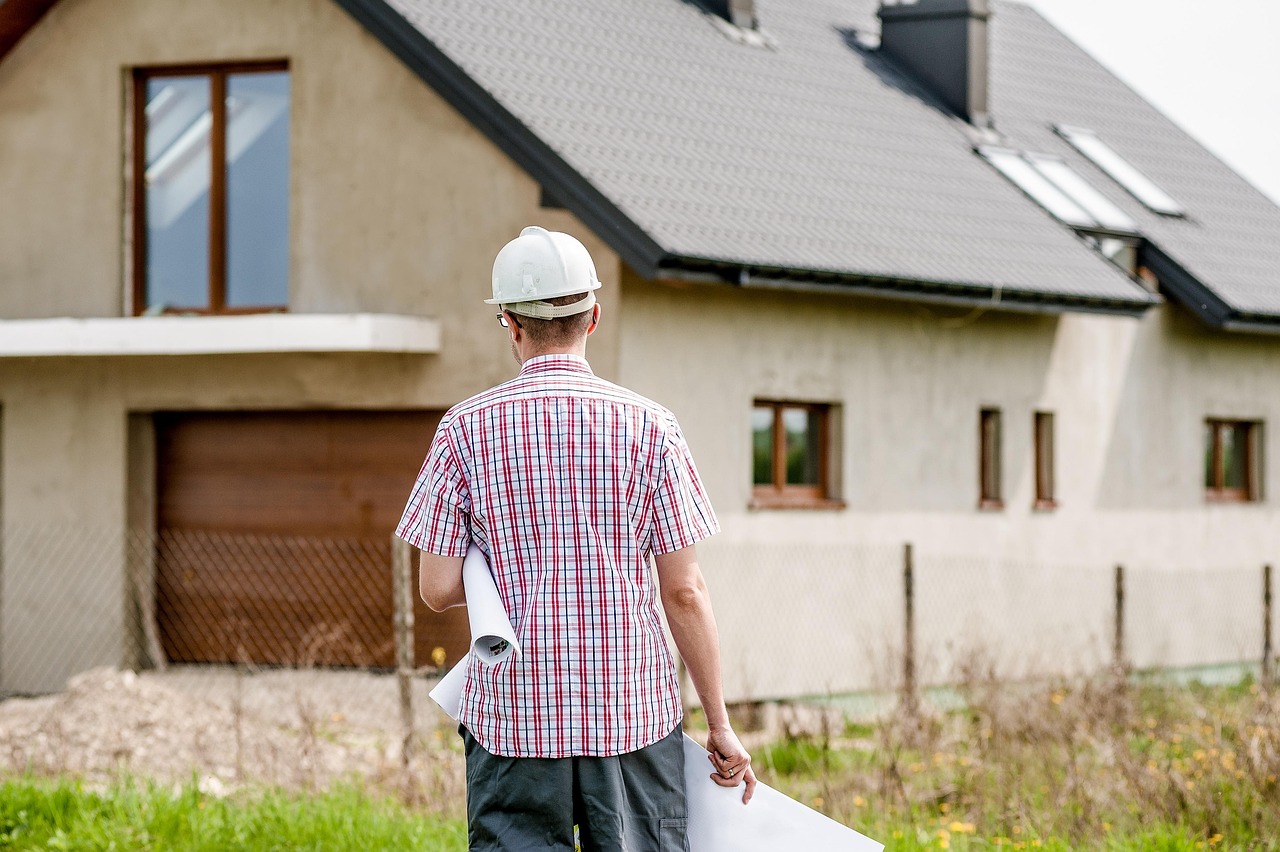 Photo by jarmoluk via Pixabay (source)
Related reading: Rent & Repairs, Resident Support Fund, our published research, case studies, About Us, news and events, get in touch with the team