
Smart Meter Rollout in Northern Ireland: A Guide for Housing Providers
By Tricity Labs, Technical Team — Independent retrofit measurement & verification, working to BS 40101 principles
On 29 April 2026, the Department for the Economy (DfE) published its policy decision on the Design Plan for the roll-out of smart electricity meters in Northern Ireland, confirming who does what: an Oversight Group (DfE and the Utility Regulator) will govern the programme, NIE Networks will procure and install meters and supporting IT systems, and a set of Expert Groups will handle the detailed workstreams. No installation start date or detailed programme plan has been published yet, which means housing providers still have a window to get their stock data and tenant communications in order before decisions cascade down from those groups.
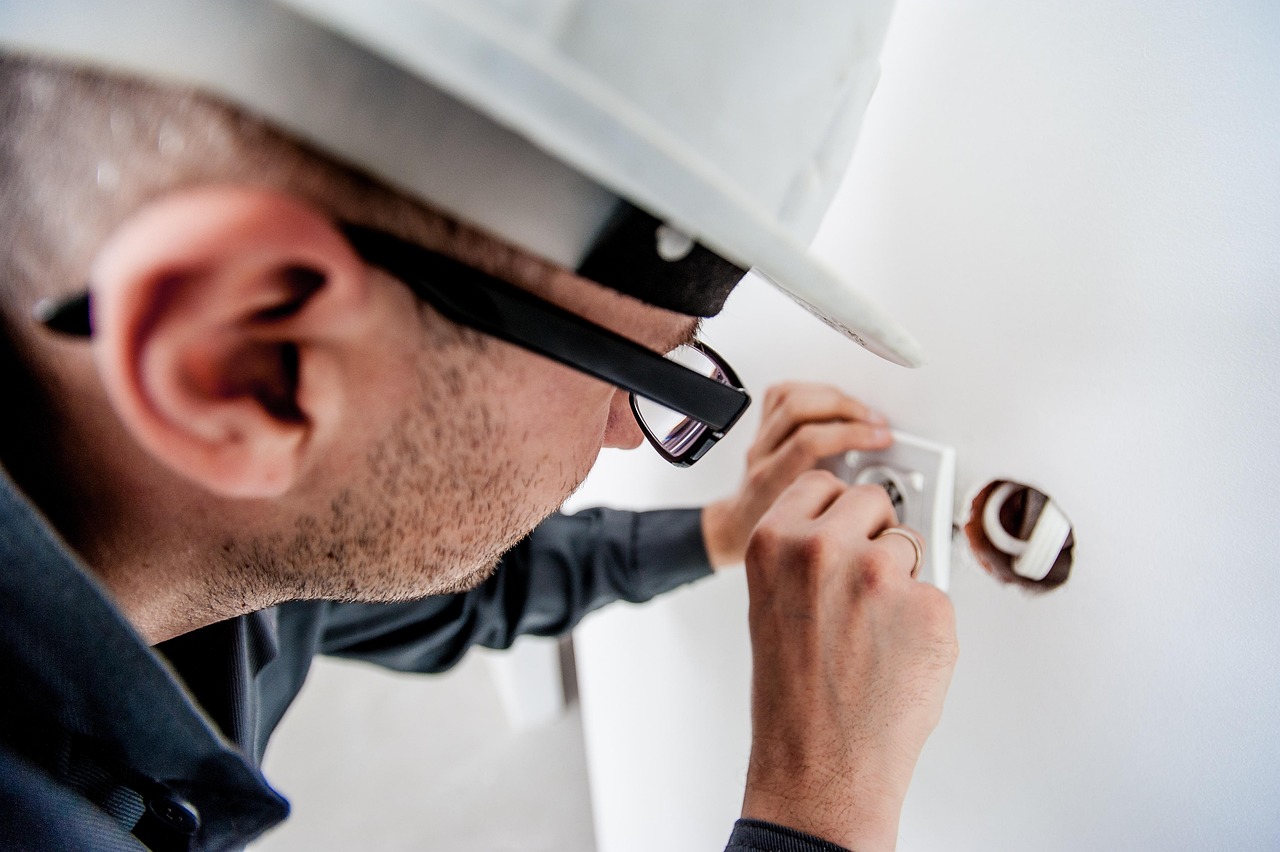 Photo by jarmoluk via Pixabay (source)
Three things to know:
- The governance structure is now confirmed: an Oversight Group (DfE + Utility Regulator) sets direction, NIE Networks procures and installs, and Expert Groups handle the workstreams and advise the Oversight Group.
- The detailed programme plan — including realistic timing for when meters actually go into homes — has not yet been published; that comes next, developed jointly by the Oversight Group and Expert Group members.
- Housing providers, particularly those with vulnerable tenants or older housing stock, should start readiness work now rather than waiting for a fixed rollout date, to avoid being among the consumers left behind when installation schedules do land.
Key Takeaways
| Point | Detail |
|---|---|
| Governance is decided, delivery is not | DfE's decision sets out roles and responsibilities, but the operational programme plan — sequencing, regional priority, and timing — is still being developed by the Oversight Group and Expert Groups. |
| NIE Networks holds the delivery role | NIE Networks is responsible for procuring and installing smart meters and the IT systems behind them, making it the practical point of contact once installation activity begins. |
| Expert Groups will shape the detail that affects landlords | Industry stakeholders and subject matter experts sitting on Expert Groups will work through issues like consumer protection, technical standards, and rollout sequencing — areas that directly affect how housing associations plan around installations. |
| Consumer protection is an explicit priority, not an afterthought | Utility Regulator Chief Executive John French tied the design plan explicitly to consumer protection and the 'full range of benefits' smart meters can deliver, signalling that safeguards for vulnerable households are meant to be built in from the start. |
| Housing providers need their own evidence base regardless of the rollout timeline | Whatever the final installation schedule turns out to be, landlords who already hold clean, independently verified data on their stock will be better placed to sequence access, plan communications, and avoid disputes. |
Table of Contents
- What the Design Plan Decision Actually Says
- Smart Meter Rollout in Northern Ireland for Housing: Why the Governance Model Matters
- Consumers Left Behind: The Risk Housing Providers Can't Ignore
- Timeline Realities: What's Confirmed and What's Still Open
- How to Evaluate Smart Meter Rollout in Northern Ireland Readiness in Your Stock
- Building the Evidence Base Before Installers Arrive
- Where Independent Evidence Fits Into the Rollout
- Sources
What the Design Plan Decision Actually Says
On 29 April 2026, the Department for the Economy published its policy decision on the Design Plan for the roll-out of smart electricity meters across Northern Ireland. The decision is deliberately structural: it sets guiding principles for the programme and clarifies who is responsible for what, rather than announcing installation dates.
An Oversight Group, made up of DfE and the Utility Regulator, will provide overall governance for the rollout. NIE Networks has been given the delivery role — procuring and installing the smart meters themselves along with the supporting IT systems that make them work.
A range of Expert Groups will sit underneath that governance layer, drawing on industry stakeholders and subject matter experts across different workstreams. Their job is to work through the technical and operational detail and feed advice back up to the Oversight Group.
Utility Regulator Chief Executive John French framed the decision as a foundation rather than a finish line, saying the Regulator looks forward to working with DfE and stakeholders on the rollout, and that developing the right regulatory frameworks is essential 'to ensuring consumer protection and enabling the full range of benefits that smart meters can deliver.'
Smart Meter Rollout in Northern Ireland for Housing: Why the Governance Model Matters
For housing associations and their contractors, this governance structure matters more than it might first appear. Decisions about install sequencing, funding mechanisms, and tenant consent processes will flow down from the Oversight Group and Expert Groups rather than being decided independently by individual landlords.
That means the practical questions housing providers actually care about — which estates get access first, how void properties are handled, what happens with communal heating systems — will likely be shaped by Expert Group workstreams that haven't been convened yet. Housing associations without a presence in that conversation risk finding out the answers only once decisions are already made.
It's worth treating this stage as the early planning phase of a much longer programme, not a policy footnote. Organisations that start engaging now, through consultation responses or industry bodies, are more likely to have their operational concerns — access logistics, tenant vulnerability, aging wiring — reflected in the detailed plan that follows.
Ask your industry body or federation whether it plans to nominate representatives to any Expert Group. If it does, feed in your organisation's practical concerns — void access, sheltered housing, communal systems — before the workstreams are finalised, not after.
Consumers Left Behind: The Risk Housing Providers Can't Ignore
Every large-scale metering rollout carries a real risk of consumers left behind — typically older tenants, those with limited digital access, prepayment customers, or households in properties with unusual wiring or communal systems. Social housing stock tends to over-represent exactly these groups, which is one reason the Utility Regulator's emphasis on consumer protection is worth taking seriously rather than treating as boilerplate.
The benefits smart meters are meant to unlock — more accurate billing, better visibility of energy behaviours, and the ability to shift usage through demand side responses like time-of-use tariffs — depend on tenants actually being able to engage with the technology. A meter that's installed but never understood delivers little value and can even increase anxiety about bills for households already under pressure.
There's also a system-level dimension. If large pockets of housing stock are slow to adopt smart metering or can't participate in demand side responses, that contributes to limited grid flexibility more broadly — reducing the system-wide benefits the rollout is designed to deliver, not just the benefits to individual households.
Housing providers are well placed to reduce this risk, because they already have relationships with tenants and knowledge of which households are likely to need extra support during installation and afterwards.
Timeline Realities: What's Confirmed and What's Still Open
It's worth being precise about what the 29 April 2026 decision does and doesn't confirm. It confirms governance roles — the Oversight Group, NIE Networks' delivery responsibility, and the existence of Expert Groups. It does not confirm an installation start date, a regional sequencing plan, or the detailed programme that governs how the rollout will actually reach individual homes.
The next stage, according to the decision itself, is the establishment of the Oversight Group and Expert Groups, followed by development of a detailed programme plan in collaboration between them. That's a meaningful amount of process still to come before any installation schedule becomes public.
For housing providers, the temptation is to wait for that detailed plan before doing anything. That's understandable, but risky — stock data audits, tenant communication planning, and access logistics all take time to prepare properly, and organisations that start once dates are confirmed will be working under pressure.
Set an internal review date roughly every quarter to check for Oversight Group and Expert Group updates, rather than waiting for a single 'rollout announced' headline. Governance milestones tend to arrive well before operational ones.
How to Evaluate Smart Meter Rollout in Northern Ireland Readiness in Your Stock
Knowing how to evaluate Smart Meter rollout in Northern Ireland readiness starts with an honest audit of what you actually know about your own stock, rather than what you assume. Many housing associations hold incomplete or outdated records on meter types, wiring condition, and communications signal strength across their portfolio — gaps that only become visible once an installer is standing at the door.
A workable Smart Meter rollout in Northern Ireland checklist for housing providers should cover, at minimum: current meter types and locations by property, known wiring or access issues, communal heating or shared-supply arrangements, tenant vulnerability flags relevant to installation access, and existing tenant communication channels. None of this requires waiting for NIE Networks' detailed schedule — it can be built now.
It's also worth mapping which properties are likely to be technically straightforward versus which will need extra coordination, so that when installation sequencing does arrive, your organisation isn't discovering complications for the first time on the day of the visit.
Building the Evidence Base Before Installers Arrive
Independent, well-documented evidence about the condition of your stock does two things during a rollout like this: it speeds up planning, and it protects your organisation if disputes arise later about property condition, access, or existing energy performance. Waiting until installation dates are confirmed to start gathering that evidence leaves very little room to fix data gaps.
This is particularly relevant where smart meter installation intersects with retrofit or energy efficiency works already underway. Properties that have had insulation, heating upgrades, or fabric improvements need accurate baseline records so that any change in energy behaviours after a smart meter goes in can be properly attributed and evidenced, rather than guessed at.
A structured retrofit evidence approach — documenting property condition, works completed, and performance data over time — gives housing providers a defensible record that stands up whether it's being reviewed internally, by a regulator, or by a funding body.
If retrofit works and smart meter installation are likely to overlap on the same properties, capture baseline evidence before either happens. Trying to separate the effects of the two afterwards is far harder than establishing a clear starting point.
Where Independent Evidence Fits Into the Rollout
None of Tricity Labs' tools are designed to install a smart meter or manage NIE Networks' delivery schedule — that's rightly a matter for the Oversight Group and the Expert Groups working through the Design Plan. What our tools do is give housing providers an independent, evidence-based picture of their own stock, so decisions made elsewhere in the rollout don't catch them unprepared.
Verity and Verify are built around establishing and checking factual records of property condition — the kind of baseline data that matters when a Smart Meter rollout in Northern Ireland checklist calls for accurate wiring, access, and vulnerability information. Detect and Benchmark help housing associations spot patterns in energy behaviours and performance across a portfolio, which becomes more useful, not less, once smart meter data starts flowing.
Evidence and the Stock Performance Index exist for the longer game: building a defensible, independently verifiable record of housing stock over time, so that whatever the final installation timeline looks like, your organisation is working from facts rather than assumptions. If you're starting to plan your own readiness work, our platform overview and the housing associations page are reasonable starting points.
 Photo by user32212 via Pixabay (source)
Related reading: housing associations, retrofit evidence, tenants, contractors, platform overview, about Tricity Labs
Sources
About Tricity Labs
The team behind Tricity Labs' Verity platform, delivering independent pre- and post-retrofit measurement and verification from existing smart meter data for housing associations and retrofit contractors.